
Tips for Perfect Parisian Croissants
To make truly exceptional Parisian croissants, start with quality ingredients. This means using an 83-85% European-style butter and a high-gluten bread flour.

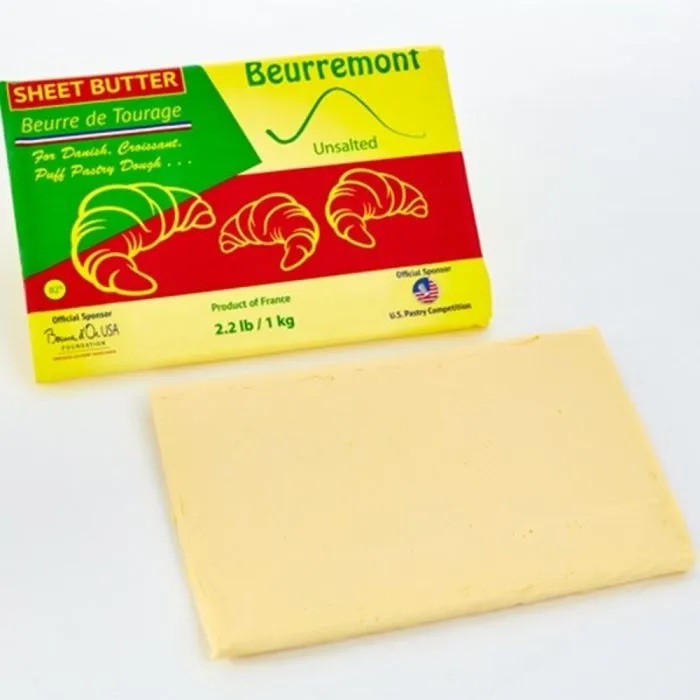
I find I get good results using Wüthrich’s 83% European Style butter and Beurremont 83% European style butter. Both have great flavor and produce flaky and rich buttery croissants.

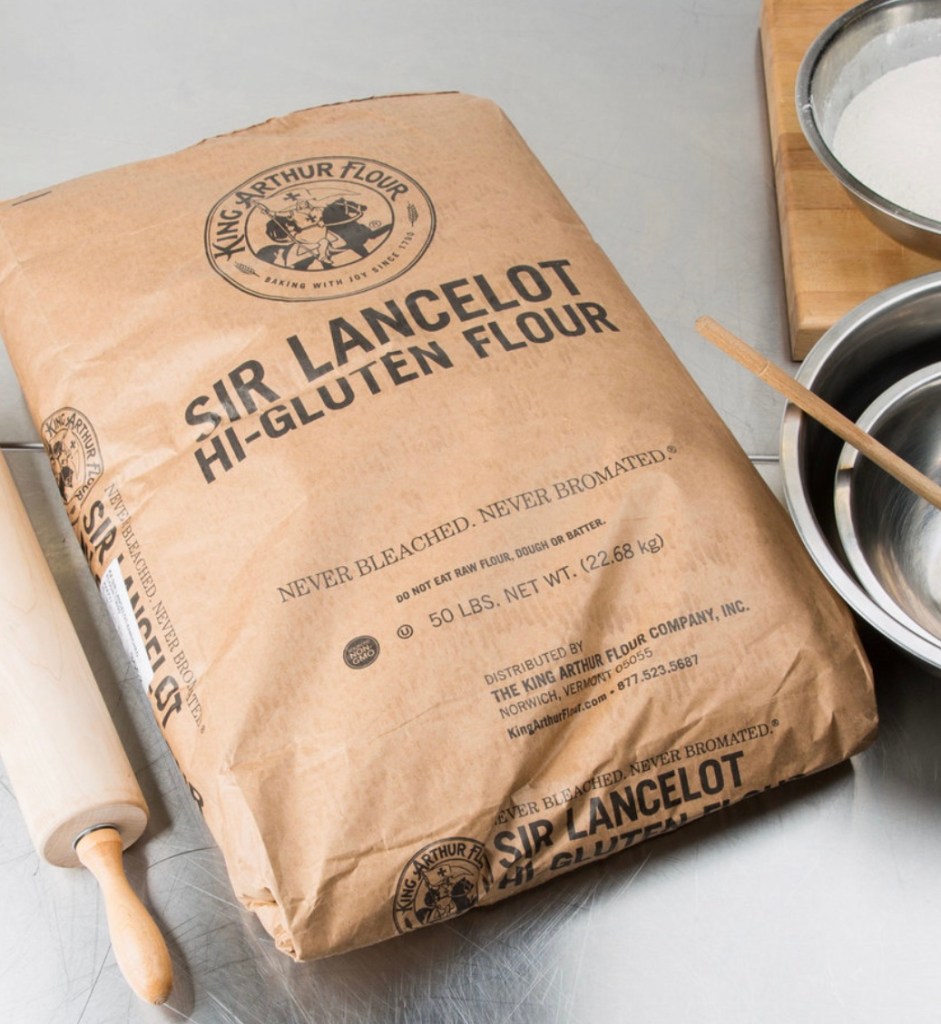
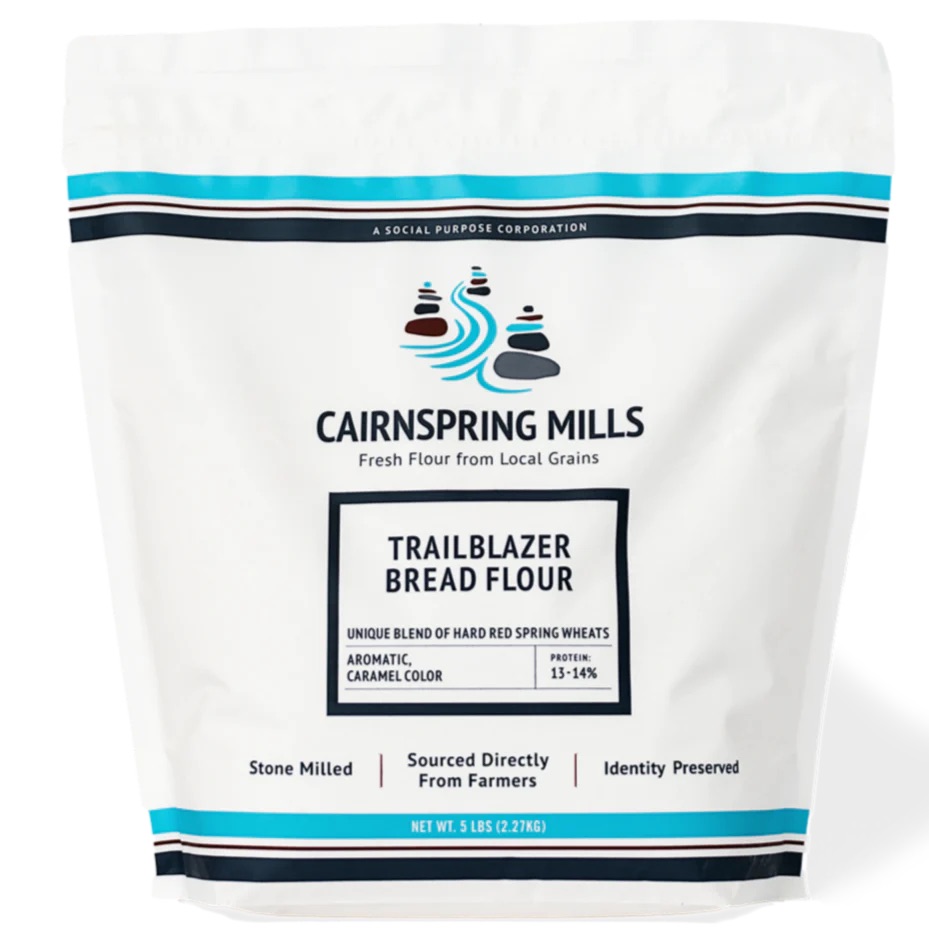
Here are some quality high gluten bread flours, crucial to producing great croissants. King Arthur’s High Gluten Bread Flour is a great product as well as Cairnspring Mill’s Trailblazer Bread Flour; Washington State’s Organic Locally produced Flour. Both perform very well.
Understanding the Détrempe
Détrempe is the French term for the base dough used in laminated pastries, before the butter is incorporated. For the best results, prepare your détrempe the day before you plan to use it and refrigerate it for 12-24 hours.
Lamination and Shaping
For the lamination process, I begin with a double fold (or book fold), followed by two single folds, letting the dough rest for 30 minutes in the fridge between each fold.
After the folds, I place the laminated dough in the freezer for two hours, then transfer it to the refrigerator to thaw. Once thawed, I roll the dough out to a 5mm thickness using a dough sheeter or by hand.
Next, I cut the dough into elongated isosceles triangles, 9 inches tall with a 4-inch base. I make a 3/4-inch slit at the center of the base of each triangle. Finally, I roll up the dough to form the classic croissant shape. After shaping, I let the croissants rest in the refrigerator for an hour.
Proofing Croissants
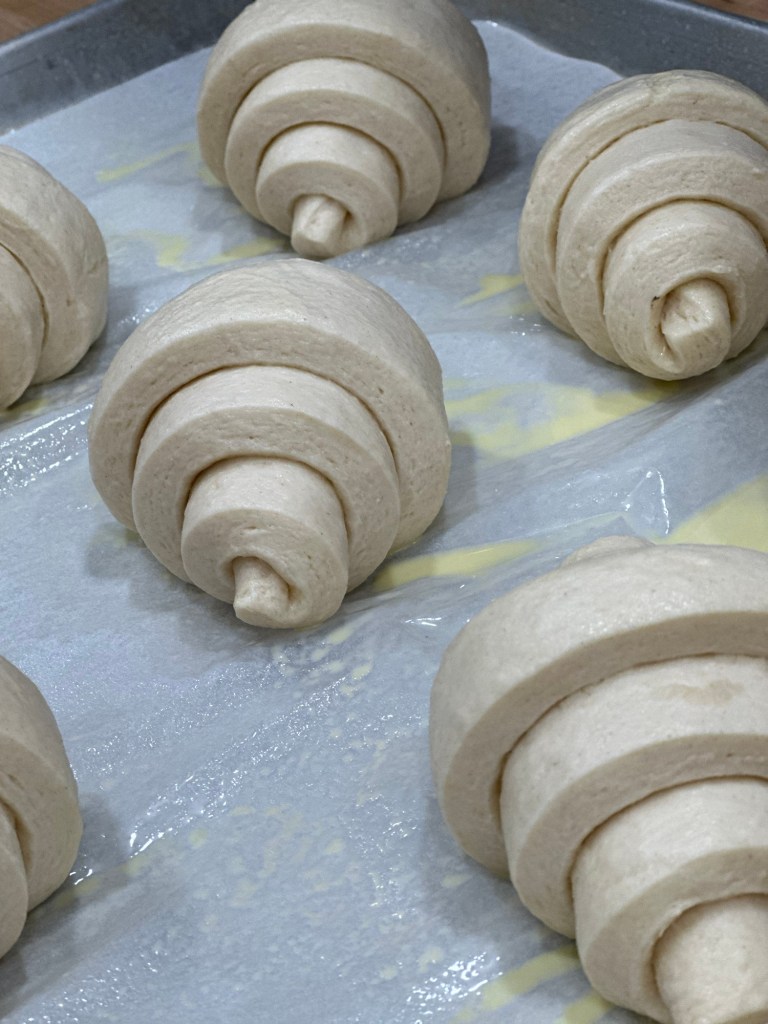
When proofing croissants, always ensure a warm environment, but no warmer than 85°F (29°C). If the temperature is too high, the butter within the dough will melt and leak out, compromising the flaky layers. Patience is key here; croissants typically require a longer proofing time compared to other breads.
Baking Your Croissants
I like to egg wash the raw croissants twice: once at the beginning of their proofing cycle, and again just before they go into the oven.
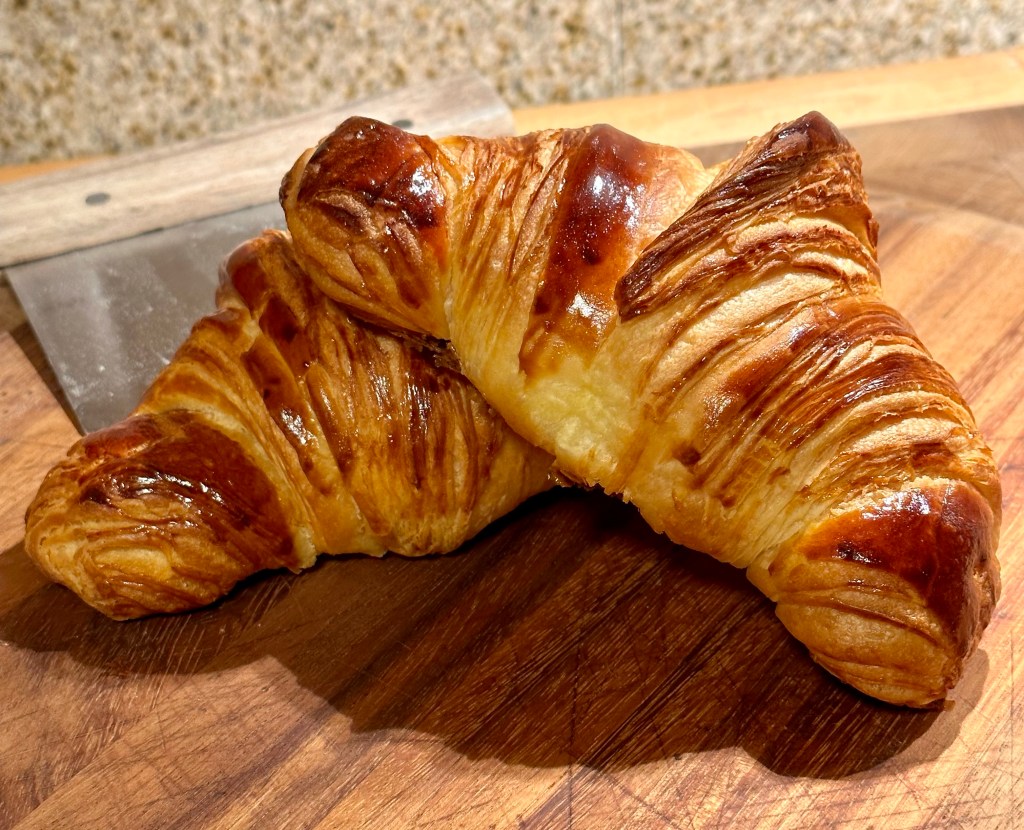
Once your croissants have doubled in size, place them in a 360°F convection oven for 20-22 minutes, or until they achieve a beautiful, even, deep golden color.

Freezing Croissants for Later
You can absolutely shape the dough and freeze the croissants for future use. To protect them, place them in a resealable freezer bag with a piece of parchment or waxed paper inside; this will help prevent ice crystals and freezer burn. They’ll keep well in the freezer for up to a month.
I hope these tips help you create delicious, buttery, and flaky croissants, just like the professionals!
 Journey through the professional career of a Pastry Chef